Frontend Developer Resume Generator from Your LinkedIn Profile
Transform your LinkedIn profile into a polished frontend developer resume that showcases your React, Vue, Angular expertise, JavaScript skills, and modern web development projects. ATS-optimized format that highlights component libraries, responsive design, performance optimization, and accessibility experience recruiters are looking for.
Frontend Developer Resume from LinkedIn - Modern Web Dev CV Builder
Why Frontend Developers Need a Strong Resume
Frontend development moves at lightning speed, and your resume needs to reflect the modern web landscape. Li2CV converts your LinkedIn profile into a comprehensive frontend developer resume that showcases your JavaScript frameworks, component architecture, responsive design skills, and performance optimization expertise. Whether you specialize in React, Vue, Angular, or the entire modern web stack, get a resume that speaks the language tech recruiters understand and passes their ATS systems with flying colors.
- Framework-Specific Skills Highlighted
- Your resume needs to immediately show proficiency in React, Vue, Angular, or whatever frameworks you work with daily. Generic "JavaScript developer" labels don't cut it anymore. Recruiters search for specific framework experience, version knowledge, and ecosystem tools like Redux, Vuex, or NgRx. Our tool automatically extracts these specifics from your LinkedIn and positions them prominently, ensuring you appear in searches for "Senior React Developer" or "Vue.js Engineer" rather than getting lost in generic web developer pools. We understand the difference between knowing React hooks conceptually versus shipping production applications with custom hooks, context API, and performance optimization patterns.
- Modern Tooling and Build Systems
- Today's frontend developers need more than coding skills. You work with Webpack, Vite, or Rollup. You understand npm, yarn, or pnpm workflows. You write tests with Jest, Vitest, or Testing Library. You use TypeScript for type safety. These aren't nice-to-haves anymore - they're table stakes. Your resume must showcase this modern toolchain experience explicitly. When your LinkedIn mentions "built CI/CD pipelines" or "optimized build performance," we translate that into concrete technical achievements: "Reduced bundle size by 40% through code splitting and lazy loading with Webpack 5" or "Implemented comprehensive component testing with React Testing Library achieving 85% coverage." Specific tools and measurable outcomes matter.
- UI/UX Implementation Skills
- Frontend development sits at the intersection of design and engineering. You don't just implement features - you translate Figma designs into pixel-perfect interfaces, make accessibility decisions that affect real users, and optimize performance for users on slow connections. Your resume needs to show this holistic understanding. When your LinkedIn experience includes working with designers, we highlight collaboration and implementation skills: "Collaborated with UX team to implement component library following WCAG 2.1 AA standards" or "Translated Figma designs into responsive React components supporting mobile, tablet, and desktop breakpoints." These details show you understand the full scope of frontend work, not just coding.
- Performance and Optimization Focus
- Frontend performance directly impacts user experience and business metrics. Companies care deeply about Core Web Vitals, load times, and perceived performance. Your resume should demonstrate awareness of performance as a feature, not an afterthought. When your LinkedIn mentions "optimized application" or "improved user experience," we extract the technical specifics: "Improved Largest Contentful Paint from 4.2s to 1.8s through image optimization and lazy loading strategies" or "Reduced JavaScript bundle size by 65% implementing tree shaking and dynamic imports." Quantified performance improvements prove you understand modern web performance optimization techniques and can articulate technical impact in business terms.
- Component Architecture and Reusability
- Modern frontend development is component-driven. Whether you're building design systems, component libraries, or just well-architected applications, demonstrating component thinking matters enormously. Recruiters look for experience building reusable, maintainable component architectures. Your LinkedIn might mention "built component library" or "implemented design system" - we transform these into achievement-focused statements: "Architected and documented 50+ reusable React components serving 12 product teams, reducing development time by 30%" or "Built accessible component library with Storybook documentation, adopted across organization." These specifics show senior-level architectural thinking.
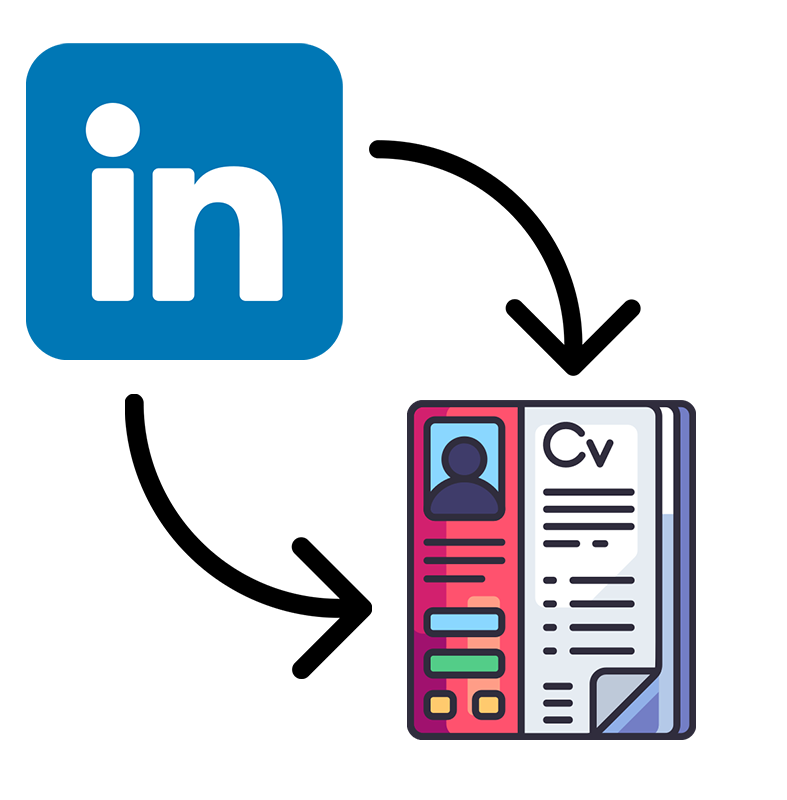
Simple Process
Create Your Frontend Developer Resume in Minutes
- Step 1
-
Paste your LinkedIn profile URL - our tool immediately accesses your complete profile including all positions, projects, and technical skills
- Step 2
-
Our specialized frontend parsing extracts framework-specific experience, identifies modern tooling like TypeScript and build systems, and recognizes UI/UX collaboration signals
- Step 3
-
Choose from frontend-optimized templates designed specifically for technical roles - clean, scannable layouts that highlight technical skills and project work
- Step 4
-
Customize technical sections to emphasize frameworks, libraries, and tools most relevant to your target roles - reorder projects, highlight specific achievements
- Step 5
-
Download your ATS-optimized resume as PDF or DOCX with proper formatting that passes automated screening while remaining readable to human technical recruiters
- Step 6
-
Update anytime your LinkedIn changes - paste the URL again and regenerate with updated experience, new projects, or additional skills

Benefits for Frontend Developers
- Technical Skills Organization
- Frontend developers work with dozens of technologies. React, TypeScript, Next.js, Tailwind, Redux, GraphQL, Jest, Cypress - the list goes on. Your LinkedIn probably lists these scattered across job descriptions. Our tool extracts every technical skill mentioned and organizes them into logical groupings: Frameworks, Languages, State Management, Styling, Testing, Build Tools, and more. This organized presentation helps recruiters quickly assess your technical breadth while ATS systems can match against specific technology keywords they're searching for.
- Project-Focused Format
- Frontend work is inherently project-based. You build features, ship products, and create user experiences. Job duties like "developed web applications" don't capture this reality. Our resume format emphasizes specific projects with technical details: what you built, which technologies you used, what challenges you solved, and what impact it had. Projects become mini case studies that demonstrate your technical decision-making, problem-solving approach, and ability to deliver user-facing features that matter to the business.
- GitHub and Portfolio Integration
- Your GitHub profile and portfolio site are critical supplements to your resume for frontend positions. Recruiters want to see your code quality, commit history, and live projects. Our tool automatically includes all URLs from your LinkedIn profile, ensuring your GitHub, personal portfolio, CodePen demos, and deployed projects are prominently visible. We even format these links to stand out, understanding that for frontend roles, your work samples often matter as much as your resume itself.
- Accessibility and Standards Emphasis
- Companies increasingly prioritize web accessibility and standards compliance. If your LinkedIn mentions accessibility work, WCAG standards, ARIA implementation, semantic HTML, or inclusive design, we ensure these critical skills are highlighted prominently. Many generic resume builders overlook these keywords, but they're becoming essential for senior frontend roles. We recognize accessibility experience as a valuable specialization and give it appropriate weight in your technical profile.
- Startup to Enterprise Adaptability
- Frontend developer roles vary dramatically between startups and enterprises. Startups value full-stack capabilities, rapid prototyping, and product thinking. Enterprises prioritize scalability, testing, documentation, and team collaboration. Our tool adapts to your experience - if your LinkedIn shows startup experience, we emphasize autonomy, speed, and versatility. If you have enterprise background, we highlight architectural decisions, code review, mentoring, and scalable systems. The same LinkedIn profile generates different emphasis based on the roles you've held.
Expert Tips for Frontend Developer Resumes
Use Technical Keywords Strategically
ATS systems scan for exact framework and library names. Don't just say "JavaScript framework" - specify React, Vue, or Angular. Include version numbers if you're current: "React 18," "Vue 3 Composition API," "Angular 17." Spell out acronyms the first time: "Single Page Application (SPA)" or "Progressive Web App (PWA)." Use industry standard terminology: "component-based architecture," "state management," "responsive design," "accessibility." These specific terms trigger ATS matches and signal expertise to technical recruiters who scan resumes for keywords before diving deeper.
Quantify Your Impact Where Possible
Frontend work directly impacts user metrics. Connect your technical work to business outcomes: "Reduced page load time by 40%, increasing conversion rate by 12%" or "Built component library used by 8 product teams, reducing development time by 30%." Even without perfect metrics, approximate: "significantly improved performance" becomes "improved Core Web Vitals scores by optimizing JavaScript bundles and implementing lazy loading." Numbers prove impact and make your achievements concrete rather than vague claims about improving things.
Showcase Cross-Functional Collaboration
Frontend developers rarely work in isolation. You collaborate with designers, backend developers, product managers, and QA engineers. Highlight this collaboration: "Partnered with UX team to implement design system" or "Collaborated with backend team to optimize API calls and reduce request overhead." These details show you can work effectively in team environments, communicate across disciplines, and understand how frontend work fits into larger product development. Companies value technical skills but hire for team fit and collaboration ability.
Include Testing and Quality Practices
Testing is no longer optional for professional frontend development. Mention testing frameworks and approaches: Jest, Testing Library, Cypress, Playwright, or Vitest. Describe testing practices: "Implemented comprehensive component testing with 80% coverage" or "Built E2E testing suite reducing production bugs by 45%." Testing experience signals professionalism, quality focus, and maintainable code practices. Senior frontend roles increasingly require testing expertise, so if you have it, make it prominent.
Demonstrate Architectural Thinking
Junior developers implement features; senior developers design systems. Show architectural experience: "Designed component architecture for micro-frontend application" or "Established coding standards and best practices adopted across frontend team." Mention architectural patterns: "Implemented Flux architecture for predictable state management" or "Designed module federation strategy enabling independent team deployments." Architectural thinking separates mid-level from senior roles and commands higher compensation.
Keep Your Skills Section Current
Frontend technology evolves rapidly. Review your LinkedIn skills quarterly and remove outdated technologies that signal you're behind current practices. Keep AngularJS or jQuery only if you're maintaining legacy systems - otherwise they date you. Add new technologies as you learn them: if you've recently adopted Next.js, Remix, or Astro, include them. Balance evergreen skills (JavaScript, HTML, CSS, web performance) with current tools (TypeScript, modern frameworks, latest build systems). Your skills list should feel current, not like a historical record of everything you've ever used.
Common Mistakes to Avoid
Listing Every Technology You've Ever Seen
Some developers pad their skills list with every framework, library, and tool they've briefly encountered. This backfires when interviews reveal superficial knowledge. If you list Angular, expect Angular-specific interview questions. If you mention Redux, be prepared to discuss middleware, thunks, and sagas. Focus your resume on technologies you can confidently discuss in depth. Better to demonstrate mastery of React ecosystem than superficial awareness of twenty frameworks. Depth beats breadth for frontend positions where companies need experts in their specific stack.
Neglecting Soft Skills and Communication
Technical skills get your resume past ATS, but soft skills get you hired. Frontend developers must communicate with non-technical stakeholders, explain technical tradeoffs to product managers, and mentor junior developers. Include evidence of these skills: "Mentored 3 junior developers," "Presented technical architecture to executive team," or "Collaborated with design team to balance UX goals with technical constraints." These details show you can work effectively in real organizational contexts, not just code in isolation.
Using Generic Job Descriptions
Avoid vague responsibilities like "developed web applications" or "worked on frontend features." These waste precious resume space and don't differentiate you. Instead, describe specific projects, technical challenges, and solutions: "Built real-time dashboard using WebSocket connection, Redis caching, and React hooks to display live data for 10,000+ concurrent users." Specific details demonstrate expertise, provide conversation starters for interviews, and help recruiters understand exactly what you can do. Generic descriptions could apply to any frontend developer; specific projects showcase your unique experience.
Ignoring Accessibility and Performance
Many frontend developers overlook accessibility and performance on their resumes, missing opportunities to differentiate themselves. Companies increasingly prioritize these areas due to legal requirements, user expectations, and business impact. If you have accessibility experience - WCAG compliance, ARIA implementation, keyboard navigation, screen reader testing - feature it prominently. Similarly, performance optimization experience - Core Web Vitals improvements, bundle size reduction, load time optimization - deserves specific mention. These specialized skills command premium compensation and fewer developers emphasize them, making them powerful differentiators.
Formatting That Breaks ATS Systems
Frontend developers sometimes create visually impressive resumes with custom layouts, graphics, or fancy typography. While these might look great to humans, ATS systems often can't parse them correctly, causing automatic rejection. Stick to clean, standard formatting with clear section headers, simple bullet points, and standard fonts. Save creative design work for your portfolio site where it's appropriate. Your resume is a technical document that must function in automated systems first, impress humans second. Our tool handles this automatically by using ATS-friendly formats while maintaining professional appearance.
Industry Insights
The frontend development landscape continues evolving rapidly, with several clear trends shaping 2025 hiring. TypeScript has effectively become the new standard - most professional frontend roles now expect or require TypeScript proficiency rather than treating it as optional. Companies hiring React developers increasingly look for Next.js or Remix experience, valuing server-side rendering and modern full-stack patterns. Performance optimization has elevated from nice-to-have to essential skill, with companies specifically seeking developers who understand Core Web Vitals, performance budgets, and optimization techniques. Accessibility is no longer niche - WCAG compliance and inclusive design practices appear in increasing numbers of job descriptions, driven by both legal requirements and genuine commitment to accessible products. Component-driven development has matured beyond simple component creation to sophisticated design system architecture, with many companies seeking developers who can build, document, and maintain component libraries serving multiple teams. Testing culture has strengthened considerably, with comprehensive testing experience (unit, integration, E2E) separating junior from senior roles. The line between frontend and full-stack continues blurring, with many frontend positions expecting comfortable familiarity with backend concepts, APIs, databases, and deployment. Remote work has permanently changed hiring dynamics - companies now compete globally for frontend talent, meaning your resume competes not just locally but against developers worldwide. This raises the bar for resume quality and emphasizes the importance of clearly demonstrating your capabilities, technical depth, and project impact in formats that work across different geographies and recruiting systems.
Frequently Asked Questions
- Should I include every JavaScript framework I've ever touched on my resume?
- No - focus on depth over breadth. Include frameworks you've used professionally in production applications, not just tutorials you've completed. If you list React, employers expect you can discuss component lifecycle, hooks, state management patterns, and performance optimization. Three frameworks used extensively beat ten frameworks used superficially. Our tool helps identify which technologies appear most prominently in your LinkedIn work experience, suggesting you emphasize those rather than padding your skills list with every technology you've dabbled with.
- How technical should my resume be for frontend positions?
- Very technical for the skills section, but balanced for experience descriptions. Your technical skills should list specific frameworks, libraries, and tools with enough detail for ATS matching. But experience descriptions should balance technical details with business impact. "Built responsive dashboard using React hooks and Chart.js that increased user engagement by 45%" works better than either pure technical jargon or pure business speak. Technical recruiters scan for keywords; hiring managers look for impact. Our tool strikes this balance by including technical specifics while framing them around business outcomes.
- Do frontend developer resumes need to showcase design skills?
- It depends on the role. Frontend developer positions increasingly blur with UI/UX implementation. If you work closely with designers, translate designs to code, or make UI decisions, absolutely highlight these skills. Mention experience with Figma, Sketch, or design systems. Emphasize responsive design, CSS architecture, and visual polish. However, if you're more focused on application logic, state management, and data handling, emphasize those instead. Our tool preserves whatever design-related experience appears in your LinkedIn, recognizing that frontend development spans a spectrum from visual implementation to application architecture.
- Should I include personal projects and open source contributions?
- Yes, especially if you're earlier in your career or transitioning into frontend development. Personal projects demonstrate passion, curiosity, and continuous learning - highly valued traits in the rapidly evolving frontend landscape. Open source contributions show you can work in collaborative codebases, follow coding standards, and contribute to community projects. Include these if they're substantial and showcase relevant skills. A well-maintained React component library with documentation matters. A half-finished tutorial project doesn't. Our tool pulls projects from your LinkedIn profile and formats them appropriately based on their scope and relevance.
- How do I show I'm keeping up with rapidly changing frontend technologies?
- Emphasize recent projects, modern tooling, and current framework versions. If you're using React 18 features like concurrent rendering or Suspense, mention it. If you've adopted newer tools like Vite or Bun, include them. Mention recent courses, certifications, or conference attendance in your LinkedIn profile. The key is demonstrating continuous learning without appearing scattered or trendy. You don't need every new library, but you should show awareness of current best practices and modern development approaches. Companies want developers who evolve with the ecosystem, not get stuck in outdated patterns.
- Should frontend resumes emphasize TypeScript over JavaScript?
- TypeScript is increasingly standard in professional frontend development. If you have TypeScript experience, absolutely emphasize it - many companies now require or strongly prefer TypeScript for frontend roles. But don't claim TypeScript expertise if you've only used it superficially. Companies often assess TypeScript skills in interviews. If your experience is primarily JavaScript, be honest while showing willingness to work with TypeScript. Our tool highlights TypeScript wherever it appears in your LinkedIn experience, recognizing its growing importance while accurately representing your actual experience level.
- How do I demonstrate performance optimization skills on my resume?
- Use specific metrics wherever possible. "Improved page load time by 60%" or "Reduced bundle size from 2MB to 800KB" are concrete demonstrations of performance work. Mention specific techniques: lazy loading, code splitting, image optimization, caching strategies, or Web Vitals improvements. If your LinkedIn describes performance projects, our tool extracts these details and frames them with measurable outcomes. Performance optimization is a specialized skill that commands premium compensation, so if you have this experience, make it prominent and quantified.
- Should I include CSS frameworks and preprocessors as separate skills?
- Yes - these are important technical details for frontend positions. Tailwind CSS, Styled Components, SASS, LESS, CSS Modules - these represent different styling approaches and architectural decisions. Companies often have preferences or existing implementations. Including these helps match you with appropriate roles and shows you understand CSS architecture beyond basic styling. List them in your technical skills if you've used them professionally. Our tool recognizes these technologies in your LinkedIn experience and includes them in skills sections appropriately.
- How important is mobile responsiveness and mobile development experience?
- Critical for modern frontend roles. Responsive design isn't optional anymore - it's fundamental. Explicitly mention experience building responsive applications, mobile-first approaches, or cross-device testing. If you've worked with React Native or other mobile frameworks, that's a strong differentiator. Many frontend developers focus primarily on desktop web; demonstrated mobile competency makes you more versatile and valuable. Our tool identifies mentions of mobile, responsive, or cross-platform work in your LinkedIn and ensures these keywords appear in your resume for ATS matching.
- What if my LinkedIn doesn't have much technical detail in job descriptions?
- This is common - many people write LinkedIn profiles for general audiences, not technical recruiters. Before generating your resume, update your LinkedIn experience sections with more technical specifics: name frameworks, mention tools, include metrics, describe technical challenges. The more technical detail in your LinkedIn, the better your generated resume will be. Our tool can only work with what's in your profile. Think of this as an opportunity to improve both your LinkedIn and resulting resume simultaneously. Add those technical details you usually don't mention in casual networking conversations.
Related Topics

Ready to Get Started?
Join thousands of professionals who have already transformed their LinkedIn profiles into stunning CVs. Start your free trial today and experience the easiest way to create professional resumes.
No credit card required. Start generating CVs in minutes.
Explore More CV & Resume Tools
Li2CV - The fastest way to convert your LinkedIn profile into a professional CV. Try it free