Technical Writer Resume from LinkedIn - Create Your Documentation Portfolio CV
Transform your LinkedIn profile into a professional technical writer resume. Showcase API documentation, user guides, developer docs, style guides, information architecture, docs-as-code experience, content management systems, and technical communication expertise.
Technical Writer Resume from LinkedIn | Professional Documentation Specialist CV
Why Technical Writers Choose Li2CV
Technical writers are the bridge between complex technology and user understanding. Your LinkedIn profile contains valuable documentation experience, writing samples, tools expertise, and communication achievements that need proper presentation. Li2CV converts your LinkedIn profile into a comprehensive technical writer resume that highlights your documentation projects, writing methodologies, tool proficiencies, and ability to transform complex technical concepts into clear, accessible content. Whether you specialize in API documentation, developer guides, end-user manuals, or knowledge base architecture, Li2CV creates a resume format that resonates with hiring managers at software companies, technology firms, and documentation teams.
- Documentation Portfolio Presentation
- Technical writing is about samples and proven work. Li2CV extracts documentation projects from your LinkedIn and presents them prominently with context about documentation types, audiences, tools used, and content scope. If you have created API references, user guides, knowledge bases, or developer portals, these projects get featured with the technical detail that demonstrates your documentation capabilities. Hiring managers can immediately see your range of documentation experience across different formats, audiences, and technical domains.
- Technical Tool Stack Display
- Modern technical writing requires proficiency with diverse tools and technologies. Li2CV highlights your experience with documentation tools like MadCap Flare, Adobe FrameMaker, Confluence, GitBook, and Readme.io. It showcases your docs-as-code expertise with Git, Markdown, reStructuredText, AsciiDoc, and static site generators like Hugo, Jekyll, or Docusaurus. Your API documentation tools get featured including Swagger, OpenAPI, Postman, and API documentation platforms. Content management systems, help desk software, screenshot tools, diagramming applications, and publishing platforms all get appropriate emphasis showing you are technically capable across the documentation technology stack.
- Information Architecture Emphasis
- Great technical writers are information architects who organize complex content for optimal discoverability and user comprehension. Li2CV emphasizes your experience structuring documentation, creating content hierarchies, developing navigation systems, and implementing findability solutions. If your LinkedIn describes documentation reorganizations, taxonomy development, content strategy, or information design, these higher-level skills get featured prominently. This differentiates you from writers who only execute documentation tasks versus those who design documentation systems and information experiences.
Simple Process
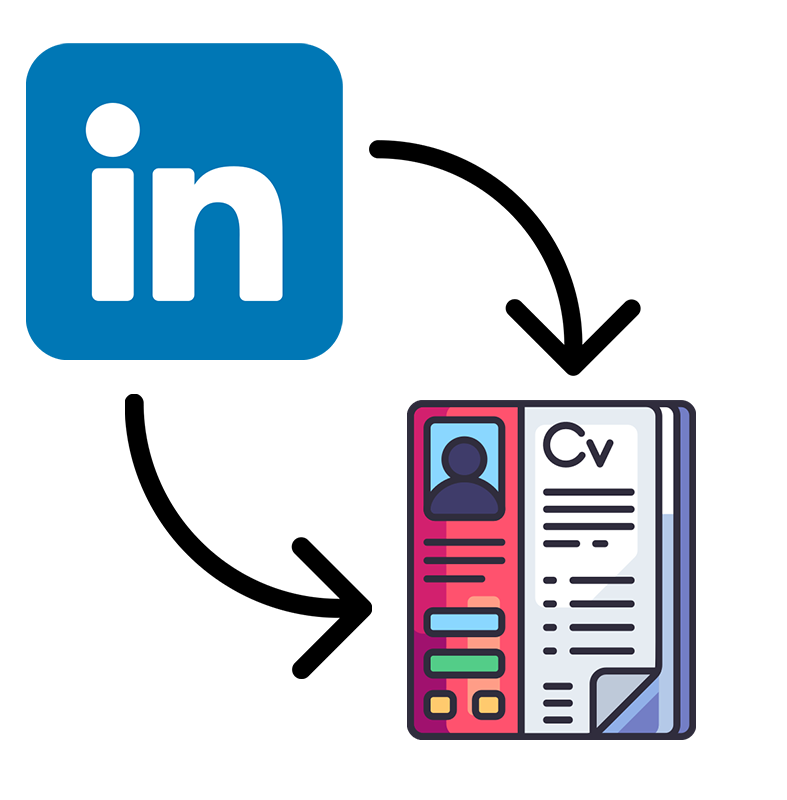
Create Your Technical Writer Resume in Four Steps
- Step 1
-
Enter your LinkedIn profile URL into Li2CV
- Step 2
-
System extracts documentation projects, writing samples, and technical tools
- Step 3
-
Choose a template suited for technical writing and documentation roles
- Step 4
-
Download your professional technical writer resume ready for applications
Technical Writing Career Benefits
- API Documentation Specialization
- API documentation is a high-demand technical writing specialty. If your LinkedIn mentions REST API docs, GraphQL documentation, SDK references, code samples, authentication guides, or developer portals, Li2CV ensures these specialized skills are prominently featured. Your experience documenting endpoints, parameters, request/response formats, error codes, and authentication flows gets highlighted. Companies hiring API technical writers will immediately recognize your specialized documentation expertise and understand you can create the developer-focused content they need for their API programs.
- Docs-as-Code Experience Showcase
- Modern documentation increasingly follows docs-as-code workflows where content is version-controlled, reviewed, tested, and deployed like software. Li2CV highlights your experience with Git-based documentation workflows, Markdown and lightweight markup languages, continuous integration for docs, automated builds and deployments, documentation testing, and collaborative review processes. If you have worked with documentation repositories, pull request reviews, documentation linting, or automated documentation generation from code comments, these modern technical writing practices get appropriate emphasis showing you work like developers work.
- Multi-Audience Documentation Range
- Technical writers must adapt content for diverse audiences with different technical levels and goals. Li2CV showcases your range across audience types including developer documentation for engineering audiences, administrator guides for IT professionals, end-user documentation for non-technical users, training materials for different learning contexts, and executive-level technical overviews. Your ability to adjust complexity, terminology, structure, and examples for different reader needs demonstrates versatility and communication intelligence that makes you valuable across documentation contexts.
- Content Strategy & Planning Skills
- Senior technical writers contribute strategic thinking beyond writing execution. Li2CV features your experience developing documentation strategies, planning content roadmaps, establishing style guides and standards, creating documentation processes and workflows, implementing content reuse strategies, and measuring documentation effectiveness. If your LinkedIn describes documentation audits, gap analyses, user research, analytics implementation, or documentation team leadership, these strategic capabilities get emphasized showing you can think systematically about documentation programs, not just individual documents.
- Subject Matter Expertise Integration
- Technical writers often develop deep expertise in specific domains or technologies. Li2CV preserves context about your subject matter areas whether that is cloud computing, cybersecurity, healthcare IT, fintech, telecommunications, enterprise software, or other specialized fields. Your experience documenting specific technologies like Kubernetes, AWS, microservices, blockchain, or machine learning gets featured along with any certifications or technical background that enhances your credibility as a technical communicator in specialized domains.
- User Experience & Usability Focus
- Documentation is ultimately a user experience discipline. Li2CV highlights your attention to documentation usability including user research and testing, content organization for task completion, progressive disclosure and layered information, searchability and findability optimization, accessibility compliance for diverse users, and feedback incorporation from user analytics. If you have collaborated with UX designers, conducted documentation usability testing, or implemented user-centered design principles in your documentation work, these skills demonstrate you create documentation that truly serves user needs rather than just explaining features.
Frequently Asked Questions
- Should my technical writer resume include writing samples?
- While your resume itself should not include full writing samples due to length constraints, it absolutely should reference your documentation portfolio. Li2CV ensures any portfolio links from your LinkedIn are prominently featured. Create a simple portfolio website showcasing your best documentation work, or link to publicly available documentation you have created. Many technical writers use GitHub repositories as documentation portfolios for docs-as-code work. Some include links to published help systems or knowledge bases they have authored. Make it easy for hiring managers to evaluate your writing quality and documentation capabilities by providing clear portfolio access.
- How important are technical skills versus writing skills for technical writers?
- Both matter but the balance depends on the role. Developer documentation and API technical writing roles heavily emphasize technical skills including programming knowledge, understanding of APIs and architectures, and ability to work in engineering workflows. These roles often prefer candidates with engineering backgrounds who learned to write over pure writers learning technical concepts. User documentation roles emphasize writing quality, clarity, ability to simplify complex concepts, and information design. Most technical writing positions value combination of technical aptitude with strong communication skills. Li2CV showcases both dimensions from your LinkedIn allowing you to position yourself across this spectrum based on target roles.
- Do technical writers need to know how to code?
- It depends on the specialization. API technical writers and developer documentation specialists benefit enormously from programming knowledge because they document APIs, create code samples, understand developer workflows, and test documentation against actual code. Basic programming literacy helps you understand what you are documenting and communicate more effectively with engineering teams. However, end-user documentation and general software documentation roles do not require coding ability. That said, docs-as-code workflows increasingly involve working with Git, Markdown, and other development tools even for non-API documentation, so some technical comfort with developer tools expands your opportunities even if you do not write production code.
- How can I transition into technical writing from another field?
- Common paths into technical writing include transitioning from engineering or technical roles leveraging technical expertise while developing writing skills, moving from general writing or journalism and building technical knowledge, coming from education or training roles and adapting instructional skills to documentation, or transitioning from support or customer success roles where you already explain products to users. Li2CV helps position career changers by emphasizing transferable skills. Engineers can highlight communication responsibilities in engineering roles. Writers can emphasize any technical subject matter you have covered. Support professionals can showcase documentation you created for internal use. Consider building a documentation portfolio by contributing to open source project documentation, creating technical tutorials or blog posts, or offering to improve documentation at your current company even if it is not your primary role.
- What makes a strong technical writing portfolio?
- Strong portfolios demonstrate range across documentation types, audiences, and formats. Include examples of different documentation genres like user guides, API references, quick-start tutorials, troubleshooting documentation, and knowledge base articles. Show you can write for different audiences from developers to non-technical end users. Include before-and-after samples if you have improved existing documentation showing your editorial and information architecture skills. Explain context for each sample including the product, target audience, tools used, and any challenges you solved. If possible, include metrics about documentation effectiveness like usage analytics or customer feedback. For docs-as-code roles, link to GitHub repositories showing your work with version control and collaborative documentation. Quality matters more than quantity, so curate your best work rather than including everything you have written.
- How do remote technical writing opportunities compare to on-site roles?
- Technical writing is one of the most remote-friendly roles in technology. Documentation work is largely independent, asynchronous collaboration works well for documentation reviews and feedback, documentation tools are cloud-based and accessible anywhere, and output quality is easily evaluated regardless of location. Many technical writers work fully remotely and have for years before pandemic-driven remote work became common. Remote technical writing opens geographic flexibility and access to opportunities at companies outside your local area. However, some companies prefer on-site or hybrid arrangements for senior roles involving documentation leadership, extensive cross-functional collaboration, or working with confidential unreleased products. Li2CV formats your resume appropriately whether you are targeting remote, hybrid, or on-site technical writing opportunities, and your LinkedIn location settings influence how your resume positions geographic flexibility.
- Should I specialize in a specific type of technical writing or remain generalist?
- There are advantages to both approaches. Specialists in high-demand areas like API documentation, developer documentation, or specific industry domains like healthcare or aerospace command premium compensation and have focused career paths. Specialization allows deep expertise development and positions you as go-to expert for particular documentation challenges. However, generalists have broader opportunities, can work across different product areas, adapt to various company needs, and maintain flexibility as technology and documentation trends evolve. Early in your technical writing career, generalist experience builds diverse skills. As you progress, consider whether specialization in an area you enjoy and where demand is strong makes sense for your goals. Li2CV adapts to present either specialist depth or generalist breadth depending on your LinkedIn experience and target opportunities.
- What documentation tools should I learn to be competitive?
- Tool requirements vary by company and industry but some tools have broad applicability. For modern software companies, learn Markdown for lightweight documentation authoring, Git and GitHub for version control and docs-as-code workflows, and at least one static site generator like Sphinx, Hugo, or Docusaurus for documentation publishing. For API documentation specifically, learn OpenAPI/Swagger specification and tools like Postman for API documentation. Confluence remains ubiquitous for internal documentation and team wikis. For more traditional documentation environments, MadCap Flare and Adobe FrameMaker still see wide use especially in regulated industries. Rather than trying to learn every tool, develop strong foundations in documentation fundamentals like information architecture, clear writing, and user-centered design. You can learn specific tools relatively quickly when hired, but strong documentation thinking and writing skills translate across any toolset.
Related Topics
Ready to Get Started?
Join thousands of professionals who have already transformed their LinkedIn profiles into stunning CVs. Start your free trial today and experience the easiest way to create professional resumes.
No credit card required. Start generating CVs in minutes.
Explore More CV & Resume Tools
Li2CV - The fastest way to convert your LinkedIn profile into a professional CV. Try it free